

Gum disease is the leading cause of adult tooth loss, yet many people don’t realize how common it is. The Centers for Disease Control and Prevention estimate that roughly half of adults over 30 show signs of periodontal disease. The condition is largely preventable, and early intervention makes a big difference. At the office of Rhodes Ranch Dental, we provide a full range of periodontal services designed to preserve gum health and protect your smile’s long-term function and appearance.
Periodontal disease (often called gum disease) is an inflammatory process that affects the tissues surrounding and supporting your teeth — the gums, periodontal ligament, and bone. It begins when bacteria in plaque irritate gum tissue, and if left unchecked the inflammation can advance from surface-level irritation to destructive changes deep beneath the gumline.
Unlike a cavity, which targets a single tooth surface, periodontal disease is a condition of the surrounding tissues. Plaque and tartar build up along and below the gumline, creating pockets where bacteria thrive. Over time, these pockets can deepen, the bone that anchors teeth can deteriorate, and tooth stability can be compromised.
Because early gum disease may produce only subtle or no discomfort, routine dental exams and professional cleanings are critical. Detecting and addressing periodontal concerns early preserves tissue and makes treatment simpler and more predictable.
Many people delay care because they think painless symptoms aren’t serious. In reality, bleeding, swelling, and persistent bad breath are signals that the gums are inflamed and that bacterial activity is increasing beneath the surface. Paying attention to these cues and acting promptly reduces the risk of lasting damage.
Other changes such as gum recession, increased tooth sensitivity, or the development of new gaps between teeth indicate that supportive tissue may be breaking down. If you notice that your partial denture fits differently or that a tooth feels loose, those are reasons to schedule an evaluation without delay.
Below are common indicators that warrant an assessment by your dentist or hygienist:
Red, tender, or swollen gums
Bleeding while brushing or flossing
Gum recession with exposed root surfaces
Increased sensitivity to hot or cold
Persistent bad breath or an unpleasant taste
Teeth that feel mobile or shifting bite patterns
Discharge near the gumline or uncomfortable chewing

The mouth is not separate from the rest of the body. Ongoing periodontal inflammation has been linked to broader health concerns, including cardiovascular disease, diabetes control, and respiratory conditions. While research continues to define cause and effect, reducing oral inflammation is a sensible step for both dental and general health.
Maintaining gum health is more than a cosmetic concern — it preserves jawbone structure, helps maintain proper chewing function, and supports long-term oral stability. This is why prevention, timely diagnosis, and ongoing maintenance are central to effective care.
At the office of Rhodes Ranch Dental, we focus on tailored prevention and management strategies. By combining professional assessments with clear home-care guidance, we help patients minimize inflammation, control bacterial build-up, and support lasting results.
Gingivitis is the first, reversible stage of periodontal disease. It typically presents with redness, tenderness, and bleeding but does not yet involve irreversible tissue loss. When gingivitis is treated promptly — usually with improved home care and professional cleanings — the gums can return to a healthy state.
Standard treatment for gingivitis emphasizes mechanical removal of plaque and tartar plus education about brushing and flossing techniques. A disciplined routine at home, combined with periodic professional cleanings, is often enough to resolve inflammation and prevent progression.
If gingivitis persists despite these measures, your dental team may recommend a more detailed periodontal assessment to identify areas where bacteria are hiding below the gumline and to design a maintenance plan that prevents recurrence.

Periodontitis describes the stage where inflammation has progressed past the gum surface and begun to affect the connective tissues and bone that support teeth. As pockets deepen and bone loss occurs, the structural foundation for teeth weakens. This stage requires more intensive intervention to stop further tissue destruction.
Clinical signs of periodontitis can include deeper pocketing, gum recession, loosening of teeth, and changes in biting comfort. Treatment goals shift from simple reversal to arresting disease progression, regenerating lost tissue where possible, and restoring a stable environment for long-term oral health.
Modern periodontal care combines targeted mechanical therapy with adjunctive measures when needed — such as localized antimicrobials, systemic medications, or regenerative techniques — to improve outcomes and preserve teeth whenever feasible.

Treatment planning begins with a thorough evaluation: probing depths, radiographic review, assessment of attachment and bone levels, and consideration of your overall health and any medications that could affect healing. Every treatment plan is individualized, balancing effectiveness with the least invasive approach possible.
Conservative therapies are often the first line of care. When deeper pockets or persistent infection are present, a combination of non-surgical and surgical options may be recommended to achieve and maintain periodontal stability.
We encourage questions and shared decision-making. Understanding why a particular approach is suggested helps patients commit to the care plan and to the home habits that support long-term success.
Early and moderate periodontal disease is frequently managed without surgery. Scaling and root planing — careful, professional cleaning below the gumline — removes plaque and tartar from roots and smooths the surfaces to discourage further bacterial attachment. This mechanical approach reduces inflammation and allows the gum tissue to reattach more securely.
Adjunctive therapies may include antimicrobial agents placed directly in pockets or systemic medications when clinically indicated. The goal is to decrease bacterial load and promote tissue healing while reinforcing effective home-care practices.
When conservative measures successfully control the disease, a tailored maintenance schedule helps prevent recurrence and preserves the improvements achieved by treatment.
When pocket depths are too great to be reached effectively with non-surgical therapy, surgical intervention can allow thorough cleaning and direct repair of damaged tissues. Procedures such as flap surgery (pocket reduction) expose the roots and bone for debridement, reshaping, and suturing to reduce pocket depth and improve access for daily care.
In cases of bone loss, regenerative techniques — including bone grafts and guided tissue regeneration — aim to restore lost volume and attachment where predictable. These procedures can improve function and support future restorative options such as implants when appropriate.
Contemporary tools like dental lasers are also used selectively to reduce pocket depth, treat diseased tissue, and manage peri-implant inflammation in specific cases. Your clinician will discuss which surgical or adjunctive approaches are most appropriate for your needs.
The key objectives of surgical periodontal therapy typically include:
Eradicate bacterial deposits beneath the gums and clean root surfaces
Stabilize or restore the supporting bone and soft tissue contours as needed
Reduce pocket depths to a level that allows effective daily hygiene and long-term maintenance
If you have questions about gum health or suspect you may have periodontal disease, contact us for more information. Our team is committed to helping you protect your smile through personalized prevention, early intervention, and advanced treatment when needed.
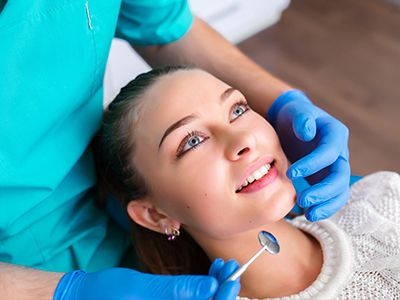

Periodontal disease is an inflammatory condition that affects the gums and the structures that support your teeth, including the periodontal ligament and jawbone. It begins when bacterial plaque accumulates along the gumline and triggers a persistent immune response. Left untreated, that inflammation can progress from reversible gum irritation to deeper tissue destruction.
As pockets form between teeth and gums, bacteria can colonize areas that are difficult to clean, accelerating attachment and bone loss. This process undermines tooth stability and can ultimately lead to tooth loss if not intercepted. Routine dental examinations and early intervention are key to keeping the condition controllable and predictable to treat.
Common signs of gum disease include red, swollen, or tender gums and bleeding during brushing or flossing. Persistent bad breath or an unpleasant taste in the mouth can also indicate ongoing bacterial activity below the gumline. Sensitivity to hot and cold and visible gum recession are additional early warning signs.
Because early periodontal disease may be painless, people often overlook these indicators until the condition advances. Changes in how teeth fit together, the development of new gaps, and teeth that feel loose are reasons to seek care promptly. Discharge near the gumline or discomfort while chewing should also prompt an evaluation by your dental team.
Diagnosis begins with a comprehensive clinical exam that includes measuring pocket depths, checking for bleeding on probing, and assessing gum recession. Digital radiographs are used to evaluate bone levels and identify patterns of bone loss that may not be visible during a visual exam. Your clinician will also review your medical history and risk factors such as smoking, diabetes, and certain medications that can affect gum health.
Detailed periodontal charting records pocket depths, attachment levels, and bleeding points so progress can be tracked over time. This information, combined with radiographs and a discussion of symptoms, guides a personalized treatment plan. Accurate diagnosis helps prioritize conservative measures or more advanced therapies depending on disease severity.
Scaling and root planing is a deep-cleaning procedure that removes plaque and hardened tartar from tooth roots below the gumline. The goal is to eliminate pockets of bacteria and smooth the root surface to promote reattachment of the gum tissue. This non-surgical therapy is often effective for early to moderate disease and is usually performed under local anesthesia for patient comfort.
Adjunctive options such as localized antimicrobials may be used to reduce bacterial levels following mechanical debridement. After treatment, the tissues are allowed to heal while home-care routines are reinforced to support long-term stability. A tailored maintenance schedule is established to monitor healing and prevent recurrence.
Surgical periodontal therapy is recommended when non-surgical measures are insufficient to control deep pockets or when access to diseased root surfaces is limited. Procedures such as flap surgery allow clinicians to visualize and thoroughly debride roots and reshape bone to reduce pocket depth. Surgical intervention can also provide access for regenerative techniques when bone or attachment loss is significant.
Regenerative procedures like bone grafting and guided tissue regeneration aim to restore lost volume and support where predictable. Contemporary tools, including selective use of dental lasers, can assist in reducing diseased tissue and enhancing healing in certain cases. The overall objective is to create a stable environment that patients can maintain with daily care and regular professional visits.
Research has identified associations between chronic periodontal inflammation and several systemic conditions, including cardiovascular disease and diabetes control, though cause-and-effect relationships continue to be studied. Managing oral inflammation is therefore a sensible component of overall health strategy and can be particularly important for patients with systemic risk factors. Reducing bacterial load and stabilizing gum disease can help lower chronic inflammatory burden originating in the mouth.
At the office of Rhodes Ranch Dental, clinicians work with patients to address oral inflammation through individualized treatment and maintenance plans. When appropriate, we communicate with a patient's medical providers to ensure coordinated care that supports both oral and general health. Early detection and consistent follow-up play a central role in minimizing potential systemic impacts of periodontal disease.
Lasers and adjunctive therapies are tools that can complement traditional periodontal treatment; they are not universal solutions but can be helpful in selected cases. Lasers may be used to remove diseased soft tissue, reduce pocket bacteria, and promote a cleaner surgical field when indicated. Localized antimicrobial agents or short courses of systemic medications are other adjunctive options that can target specific bacterial challenges.
The decision to use adjunctive modalities is driven by clinical findings, disease severity, and individual patient needs. Your dental team will explain the expected benefits and limitations of any adjunctive therapy so you can make an informed decision. Careful follow-up is essential to assess response and adjust the plan as healing progresses.
Daily plaque control is the foundation of gum disease prevention and includes thorough brushing, interdental cleaning with floss or interdental brushes, and attention to technique. A tobacco-free lifestyle and management of chronic conditions like diabetes also reduce periodontal risk and improve healing potential. Nutrition and stress management influence immune function and can indirectly affect gum health, so a holistic approach benefits long-term outcomes.
Professional cleanings and periodic periodontal maintenance visits remove accumulations that are difficult to address at home and provide an opportunity for early intervention. Your clinician will recommend a maintenance interval based on disease history, treatment response, and personal risk factors. Adhering to that schedule and maintaining effective home care are the best defenses against recurrence.
Periodontal maintenance visits focus on monitoring pocket depths, removing new deposits below and above the gumline, and reinforcing home-care techniques. These appointments typically include a targeted cleaning, measurement of probing depths, and assessment of tissue health and stability. If areas show signs of recurrence or persistent infection, the team may recommend retreatment or additional diagnostics.
The frequency of maintenance care varies, commonly ranging from three to six months depending on individual risk and treatment history. Regular maintenance is essential because periodontal disease can reactivate even after successful therapy if bacterial control lapses. Consistent follow-up visits help protect treatment gains and support long-term oral health.
Referral to a periodontist is appropriate when specialized surgical or regenerative procedures are needed, when advanced bone loss threatens tooth support, or when complex implant-related care is required. Periodontists are specialists trained to manage severe periodontal disease and to perform advanced regenerative and implant therapies. A referral may also be sought for a second opinion when treatment choices are complex or when initial therapy has not achieved the desired stability.
The office of Rhodes Ranch Dental coordinates referrals and works collaboratively with specialists to ensure continuity of care and clear communication. Comprehensive coordination helps streamline treatment sequencing and supports better long-term outcomes for patients. Patients should feel empowered to ask questions about why a referral is recommended and what to expect from specialist care.

Ready to schedule your next dental appointment or have questions about our services?
Contacting Rhodes Ranch Dental is easy! Our friendly staff is available to assist you with scheduling appointments, answering inquiries about treatment options, and addressing any concerns you may have. Whether you prefer to give us a call, send us an email, or fill out our convenient online contact form, we're here to help. Don't wait to take the first step towards achieving the smile of your dreams – reach out to us today and discover the difference personalized dental care can make.
