

At the office of Rhodes Ranch Dental, we take a prevention-first approach to oral health. Regular oral exams are the foundation of a long-lasting, problem-free smile: they give your dental team the information needed to catch small issues early, protect healthy teeth, and keep chronic conditions from worsening. Our examinations combine careful visual assessment with targeted diagnostics and patient-centered guidance so you leave each visit with a clear plan for maintaining your best oral health.
The first comprehensive exam establishes a detailed baseline for your oral health. We begin by reviewing medical and dental histories so we understand any medications, medical conditions, or lifestyle factors that might influence your mouth and overall treatment. This conversation helps us prioritize what matters most to you and ensures our recommendations respect your health profile and goals.
Next, your dentist completes a methodical clinical evaluation: teeth are inspected for wear, decay, and restorations; gums are checked for inflammation and pocketing; and soft tissues are examined for lesions or suspicious areas. We also evaluate jaw joint function and bite relationships to identify signs of clenching, grinding, or other functional problems that can affect long-term tooth stability.
When indicated, we supplement the visual exam with diagnostic imaging to see beneath the surface. These images help reveal hidden decay, bone levels, impacted teeth, and other conditions not visible to the eye. After compiling findings from the exam and any diagnostics, we discuss recommended next steps and practical options so you can make informed decisions about your care.

An oral exam is an opportunity to evaluate every structure that supports your smile. In addition to looking for tooth decay, we assess gum health, the condition of existing restorations, and the integrity of the jawbone where relevant. The mouth is a complex system; changes in one area often have effects elsewhere, so our approach is broad yet focused.
We place special emphasis on the soft tissues of the mouth, lips, tongue, and the neck because early signs of more serious conditions can appear there. Screening for oral cancer is a routine part of our exam for patients of all ages. Identifying unusual patches, persistent sores, or persistent lumps early improves the chance of successful treatment when medical attention is needed.
We also look for evidence of functional stressors such as tooth wear from grinding or uneven bite forces. These signs can point to the need for protective measures, habit counseling, or referrals for therapies that protect your teeth and reduce discomfort. Our goal is to treat current problems while preventing new ones from developing.
Emerging research continues to highlight connections between oral health and overall health. Problems in the mouth can be both a reflection of systemic disease and a contributing factor to broader health concerns. During every exam, we remain alert to signs that could indicate underlying medical issues and will communicate those observations to help patients coordinate care with their physicians when appropriate.
Common examples include changes in gum tissues that can correlate with diabetes management, persistent oral infections that may influence cardiovascular risk, and dry mouth that can be a side effect of medications or systemic conditions. Recognizing these links allows us to provide advice and interventions that support both oral and general health.
Digestive disorders
Respiratory problems
Cardiovascular disease
Stroke
Diabetes
Alzheimer's disease
The relationship works both ways: systemic illnesses and their treatments can produce oral symptoms such as ulcers, bleeding gums, altered taste, or dry mouth. Because more than 90% of systemic conditions can show oral signs, thorough exams act as an important checkpoint in a patient’s overall health routine.

Preventing dental disease relies on a partnership between home care and professional maintenance. Routine exams paired with professional cleanings break the cycle of plaque accumulation and make it much harder for cavities and gum disease to take hold. During cleaning visits, our hygienist removes hardened deposits and polishes the teeth so your home-care efforts are more effective.
We generally recommend regular checkups at intervals tailored to each patient's needs — often twice a year for most adults — but frequency is adjusted based on your history, risk factors, and current findings. These appointments are also the time to update preventive treatments, discuss oral hygiene strategies, and address emerging concerns before they require more invasive care.
Education is a key component of prevention: we show patients targeted brushing and flossing techniques, advise on diet choices that support dental health, and help families develop routines that make a difference over a lifetime. For growing children, we monitor tooth and jaw development closely and recommend timely interventions to preserve function and form.
All preventive visits are designed to be comfortable and efficient, with clear explanations of findings and straightforward guidance so patients can leave feeling confident about their oral health plan.
Visual inspection tells us a great deal, but radiographs and digital imaging reveal what lies beneath the surface. Dental x-rays help identify early decay, check bone levels, evaluate the roots of teeth, and detect problems between teeth or under existing restorations. When used judiciously, images are an invaluable diagnostic tool that supports precise, conservative care.
Today’s digital radiography provides images quickly with lower radiation exposure than older film-based systems. Digital images can be enhanced, compared to prior records, and stored in your chart for efficient review. They can also be shared securely with specialists when collaborative care is needed for more complex issues.
Depending on the clinical question, our office may recommend specific types of images. Small periapical films give detailed views of individual teeth and roots; bitewings focus on the biting surfaces and are excellent for detecting interproximal decay; panoramic films provide an overall view of the jaws and developing teeth. For advanced planning—such as implant placement or assessment of complex anatomy—three-dimensional cone-beam scans can be used to produce detailed views of bone and adjacent structures.
Quicker with minimal exposure to x-ray radiation
Images can be viewed immediately after acquisition
Images can be electronically shared
Digital radiographs do not require any developing chemicals, create less waste, and are safer for the environment
Images are immediately stored in the patient's electronic file, where they can be easily viewed on a screen, shared, or printed out.
Using the right imaging at the right time helps us develop treatment plans that are accurate, minimally invasive, and aligned with each patient’s long-term goals.
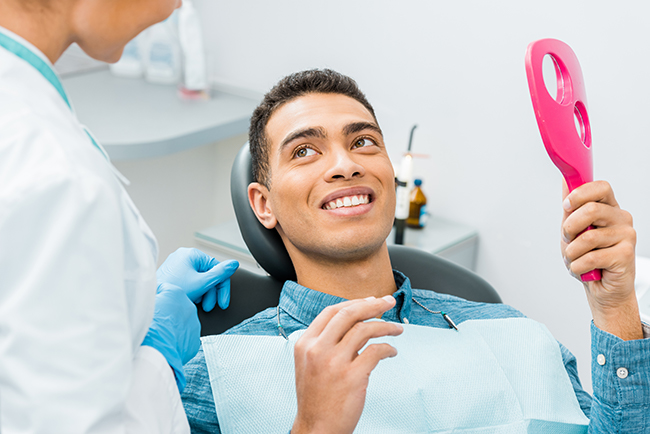
The specific imaging we choose depends on the clinical need. A targeted periapical film is ideal for investigating a single tooth’s root and surrounding bone, while bitewings are the standard for monitoring decay between teeth. A full-mouth series combines these views to provide a comprehensive snapshot when a broader assessment is required.
Panoramic radiographs capture the entire dental arch and both jaws in a single image, making them useful for evaluating overall development, impacted teeth, and large-scale pathology. Cephalometric films are primarily used for orthodontic assessment and treatment planning because they show the relationship between the teeth, jaws, and facial profile.
For cases that demand greater detail, cone-beam computed tomography (CBCT) creates three-dimensional images that assist in implant planning, complex extractions, and evaluation of anatomy that lies close to critical structures. These tools are selected carefully to provide the information we need while minimizing unnecessary exposure.
Periapical x-ray - This small film is typically taken of an individual tooth and provides a view of the entire tooth from the top of the crown to the tip of the root and bone adjacent to it.
Bitewing x-ray - This small film captures detailed views of the crowns of the premolars or molars and is typically used to check for dental decay.
Full Mouth Series - This set of x-rays consists of bitewing and periapical views of all the teeth.
Panoramic Film (panorex) - This film provides a 2D panoramic view of all the teeth and the left and right sides of the jaw. It offers a view of erupted teeth, developing teeth, impacted teeth, and allows an assessment of the health and integrity of the jawbone.
Cephalometric Film - This film provides a profile view of the face and jaws and is often used by orthodontists to assess a patient's skeletal facial and jaw growth.
When advanced three-dimensional imaging is appropriate, a CBCT scan provides exceptional detail that supports safe, predictable treatment — especially for surgical planning and complex restorative cases.
At Rhodes Ranch Dental, our aim is to provide thorough, understandable oral exams that give patients clarity and confidence about their oral health. If you’d like to learn more about what to expect during an exam or to discuss tailored preventive strategies, please contact us for more information.
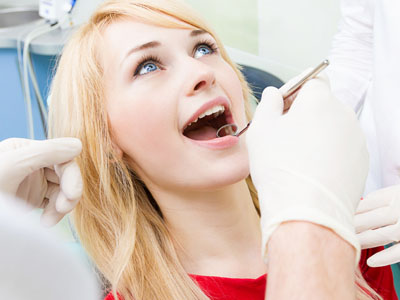

An oral exam is a comprehensive evaluation of the teeth, gums, soft tissues, and jaw that helps detect current problems and prevent future issues. The process combines a careful visual inspection with a review of your medical and dental history to build a clear picture of your oral health. Findings from the exam guide recommendations for preventive measures, monitoring, or further treatment so you leave with a practical plan.
At Rhodes Ranch Dental, our exams focus on early detection and personalized care to maintain long-term oral health. We use evidence-based techniques and targeted diagnostics to identify anything that may require attention. Patients benefit from a clear explanation of results and straightforward next steps tailored to their needs.
Your initial comprehensive exam starts with a conversation about your medical conditions, medications, and any oral symptoms or concerns you may have. The dentist performs a systematic clinical evaluation that includes checking each tooth, examining gum tissues, assessing existing restorations, and inspecting the soft tissues of the mouth and neck for unusual patches or sores. The bite and jaw joint are evaluated for signs of clenching, grinding, or dysfunction that could affect tooth health over time.
If indicated, the exam will be supplemented with diagnostic imaging to reveal issues not visible on the surface, such as interproximal decay, bone loss, or impacted teeth. Based on the combined findings, the clinician explains recommended next steps and prioritizes care options. This initial baseline helps the team monitor changes and tailor preventive strategies going forward.
Exam frequency is individualized based on each patient’s risk profile, oral disease history, and overall health. Many adults benefit from routine checkups at regular intervals to maintain preventive care and catch problems early, while patients with higher risk factors may need more frequent monitoring. Your clinician will recommend a schedule that balances your personal risk with practical maintenance needs.
Factors that can influence exam intervals include a history of gum disease, recent restorative work, chronic medical conditions such as diabetes, or habits like tobacco use and heavy sugar consumption. Children and adolescents are scheduled according to growth and development milestones to ensure timely intervention when needed. Regular exams create continuity of care and help prevent progression of minor issues into more complex problems.
Diagnostic imaging is used selectively to provide information that cannot be obtained by visual inspection alone. Small periapical and bitewing radiographs detect early decay, evaluate tooth roots, and assess bone levels, while panoramic images give an overall view of the jaws and developing teeth. For complex cases such as implant planning or evaluation near critical anatomy, three-dimensional cone-beam scans may be recommended to inform precise treatment planning.
Modern digital radiography produces high-quality images quickly with lower radiation exposure than older film methods and allows immediate review and secure storage in your chart. The dental team selects the minimal imaging necessary to answer clinical questions and avoid unnecessary exposure. When additional imaging is advised, the clinician explains the reason and how the images will influence your care.
Screening for oral cancer is an important and routine part of a comprehensive oral exam for patients of all ages. The clinician inspects the lips, tongue, floor of mouth, cheeks, throat, and neck for any persistent sores, unusual patches, lumps, or changes in tissue texture that may warrant further evaluation. Early detection of suspicious findings improves the chances of successful treatment when medical attention is required.
If a lesion or concerning area is identified, the dental team documents its appearance and may recommend monitoring, referral to a specialist, or biopsy depending on the presentation. Patients are advised to report any persistent oral changes between visits so suspicious conditions can be evaluated promptly. Regular screenings provide an added layer of safety in routine oral health care.
Oral health and general health are closely connected, and changes in the mouth can both reflect and influence systemic conditions. For example, alterations in gum tissues can correlate with diabetes control, while persistent infections may contribute to inflammatory burdens that affect cardiovascular risk. During exams we remain alert to signs that suggest coordinating care with your physician could be beneficial.
Medications and systemic illnesses can produce oral symptoms such as dry mouth, ulcers, or altered taste that impact comfort and oral function. By identifying these signs early, the dental team can recommend appropriate interventions, preventive measures, or referrals to support your overall well-being. Thorough exams serve as an important checkpoint in a comprehensive health routine.
Come prepared to share an up-to-date list of medications, recent medical diagnoses, and any allergies, as these details can influence treatment choices and risk assessment. Bring records of recent dental work, previous x-rays if available, and a written list of symptoms or questions so key concerns are addressed during the visit. Inform the team about lifestyle factors such as tobacco use, sleep apnea, or grinding habits that may affect oral health.
If you are seeing us for the first time, providing prior dental history and any relevant medical documentation expedites the establishment of a baseline and reduces the need for repeat imaging. Clear communication about pain, sensitivity, or changes you have noticed helps the clinician focus the exam. Sharing your oral health goals also allows the team to tailor prevention and treatment recommendations to what matters most to you.
No special preparation is typically required before a routine oral exam, but arriving with clean teeth and a list of questions will make the visit more productive. Continue taking prescribed medications unless advised otherwise, and avoid heavy smoking or eating immediately before the appointment so the clinician can assess soft tissues more accurately. If you experience anxiety, let the team know in advance so staff can accommodate your comfort needs.
If you have recent imaging from another office, bring copies or authorize transfer to avoid duplication of tests. For patients with complex medical histories, providing recent medical records or a summary from your physician can assist in safe treatment planning. Being organized and communicative helps the visit move efficiently and ensures that the clinician has the information needed for high-quality care.
After completing the exam and any recommended diagnostics, the dentist reviews findings with you and explains prioritized treatment options along with preventive strategies. The team focuses on conservative, evidence-based approaches and will discuss the expected benefits and risks of suggested interventions. When multiple options are appropriate, the clinician helps you weigh the choices in the context of your health, preferences, and long-term goals.
Follow-up may include scheduling preventive cleanings, focused restorative work, monitoring a suspicious area, or coordinating care with a specialist or your physician when necessary. Written summaries and educational guidance are provided so you understand the steps involved and what to expect. The goal is to create a practical plan that preserves oral health while minimizing unnecessary procedures.
Oral exams for younger patients emphasize growth and development in addition to routine checks for decay and gum health. The clinician monitors tooth eruption patterns, jaw development, bite relationships, and habits such as thumb sucking or tongue thrust that can influence long-term function. Preventive measures such as topical fluoride, sealants, and early orthodontic screening are discussed when appropriate to protect developing teeth.
Communication with parents and age-appropriate education for children are central to these visits, and clinicians provide guidance on home care techniques that support healthy habits. For teenagers, exams also address risk factors like diet, tobacco or vaping use, and sports-related mouth protection. Regular developmental exams help identify the right time for interventions that preserve function and support a healthy smile into adulthood at Rhodes Ranch Dental.

Ready to schedule your next dental appointment or have questions about our services?
Contacting Rhodes Ranch Dental is easy! Our friendly staff is available to assist you with scheduling appointments, answering inquiries about treatment options, and addressing any concerns you may have. Whether you prefer to give us a call, send us an email, or fill out our convenient online contact form, we're here to help. Don't wait to take the first step towards achieving the smile of your dreams – reach out to us today and discover the difference personalized dental care can make.
