

When a cavity or minor fracture weakens a tooth, a contemporary tooth-colored filling restores both form and function without drawing attention to the repair. Composite resin materials are formulated to match natural tooth shades while offering a reliable, bonded repair that supports chewing and appearance. These restorations are shaped to follow the tooth’s original contours so they look and feel like a natural part of your smile.
Composite fillings are versatile: they can repair a single surface or rebuild more complex areas where structure has been lost. Because the material bonds to enamel and dentin, the finished restoration integrates with the remaining tooth rather than merely sitting on top of it. That bond helps reduce the risk of microleakage and gives the restoration added strength under normal biting forces.
At the office of Rhodes Ranch Dental, we assess each situation carefully to determine whether a composite filling is the most appropriate, conservative choice. Our goal is to preserve as much healthy tooth as possible while restoring durability and comfort. For many patients, modern composites provide the ideal balance of function and esthetics for everyday dental needs.
Tooth-colored composites are selected for more than just looks. Because they are matched precisely to your surrounding teeth, they offer a discreet solution for front and back teeth alike. Patients appreciate that composites avoid the metallic appearance associated with traditional amalgam, and clinicians value the ability to blend restorations smoothly into the existing dentition.
Composites are mercury-free and do not require a metallic component, which appeals to patients seeking a more natural restorative option. In many cases, the bonding process allows for a more conservative preparation—less healthy tooth needs to be removed during treatment—so the restored tooth retains more of its original structure. This conservative approach supports the tooth’s long-term health and reduces the likelihood of future complications.
Beyond appearance, the adhesive nature of composite materials can help seal the margins of the restoration, minimizing pathways for bacteria and reducing sensitivity. With proper care, composite fillings offer durable performance for the kinds of everyday stresses teeth experience, from chewing to mild grinding.

The procedure begins with a thorough exam and diagnosis using visual inspection and radiographs as needed to locate decay or damage. If a cavity is present, the decayed material is removed carefully with precision instruments. Local anesthesia is typically used so you remain comfortable throughout the procedure, and many treatments are completed in a single appointment.
Once the tooth is prepared, the surface is treated to promote a strong bond between the composite and the natural tooth. Composite resin is applied in incremental layers; each layer is shaped to match the tooth’s contours and then cured with a specialized light. Layering allows the clinician to sculpt the filling for both strength and an accurate bite relationship.
After the material is hardened, we fine-tune the restoration by adjusting the bite and polishing the surface to a smooth, lifelike finish. These final steps help the filling resist staining and wear while making sure your bite feels natural. At Rhodes Ranch Dental, patient comfort is always a priority, and we will take the time to explain each step so you know what to expect.
If you experience dental anxiety, please let us know. We will discuss appropriate comfort measures during your consultation so you can make an informed decision about your care.
Immediately following treatment you may notice temporary numbness from the local anesthetic; avoid chewing on the treated side until sensation returns. It’s also normal for a newly restored tooth to be mildly sensitive to temperature or pressure for a few days as the surrounding tissues settle. This sensitivity typically diminishes on its own; if it persists or if you notice a sharp pain when biting, contact our team so we can evaluate the restoration.
Maintain a routine of gentle brushing and daily flossing to protect both the filling and the adjacent tooth structure. Avoid overly sticky or extremely hard foods for the first 24–48 hours while the material reaches its optimal strength. Regular dental checkups allow your clinician to monitor the health of restorations and detect any early wear or marginal breakdown before it becomes a larger concern.
With attentive home care and periodic professional cleanings and exams, composite fillings can perform well for many years. If a restoration does show signs of wear, fracture, or secondary decay, your dentist can recommend repair or replacement options to preserve your long-term oral health.

We aim to restore teeth in a way that looks natural, feels comfortable, and supports lasting oral health. If you have questions about composites or other restorative choices, our team is ready to help you understand the options.
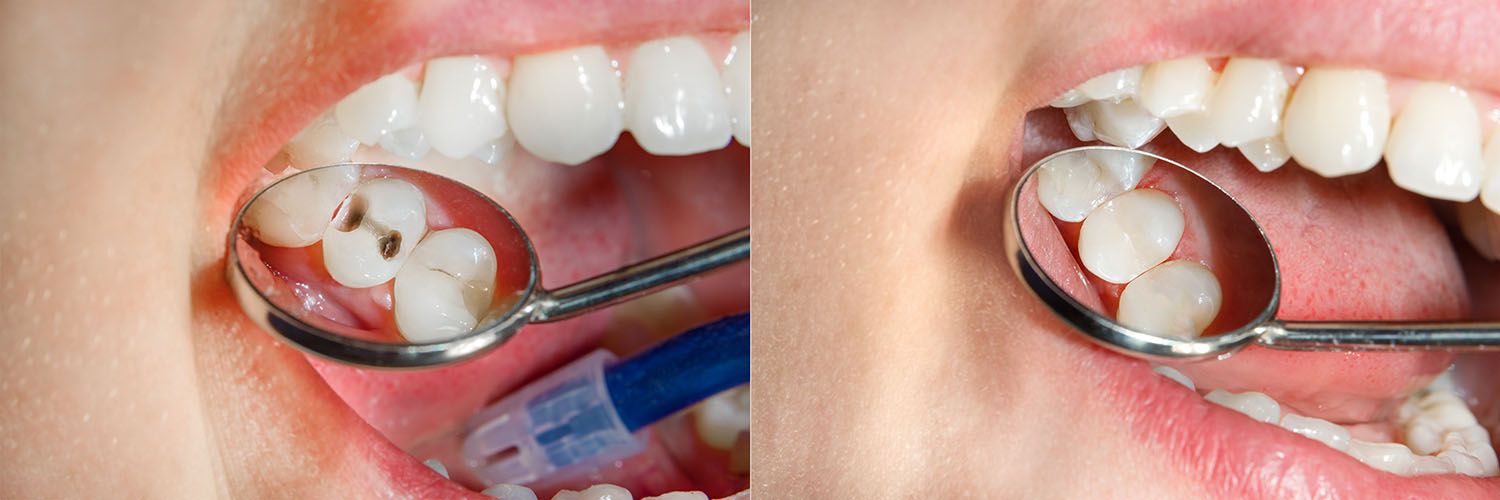
Composite fillings are an excellent solution for small to moderate cavities, minor fractures, or the replacement of old, failing restorations. They restore function and appearance while conserving tooth structure, making them the first-line treatment for many common dental problems. Your dentist will evaluate the size, location, and extent of damage to determine whether a filling is appropriate.
In cases where decay is extensive, the tooth’s structure is significantly weakened, or there is an existing large restoration that fails, other restorative options such as onlays, crowns, or indirect restorations may be recommended. Sometimes additional treatment like root canal therapy is necessary when the pulp is affected. These alternatives are considered when they offer a more durable, long-term solution for preserving the tooth.
Diagnosis is rooted in careful examination and diagnostic imaging. During your visit, your clinician will explain the findings, discuss the pros and cons of possible treatments, and recommend the approach that protects your tooth while aligning with your goals for comfort and esthetics. Preventive measures—daily hygiene, fluoride when appropriate, and routine visits—remain the best way to reduce the need for restorations in the first place.
In summary, modern composite fillings provide a tooth-friendly, cosmetically pleasing way to repair decay and minor damage. Rhodes Ranch Dental is committed to helping you understand your restorative options and to delivering care that preserves both oral health and a natural-looking smile. Contact us for more information or to arrange a consultation so we can help you determine the best approach for your needs.


Composite fillings are restorative materials made from a resin matrix and glass or silica fillers designed to match the shade of natural teeth. The material bonds to enamel and dentin, allowing the restoration to integrate with the remaining tooth structure rather than simply sitting on top of it. Because composites are applied in layers and cured with a specialized light, the clinician can sculpt the filling to restore both form and function.
This adhesive approach helps reduce microleakage and supports the tooth under normal biting forces, while also providing a cosmetically discreet result. Composites can be used for small to moderate cavities as well as to repair minor fractures or replace failing restorations. The ability to conserve healthy tooth structure is one of the primary reasons clinicians favor composite materials for many restorative situations.
Composite fillings are selected for both esthetic and functional reasons: they can be matched to your natural tooth color and blended into the surrounding dentition for a subtle, natural appearance. Unlike traditional amalgam, composites are mercury-free and do not have a metallic appearance, which many patients prefer for visible teeth. The bonding process often requires a more conservative preparation, preserving more of the healthy tooth.
Beyond looks, the adhesive qualities of composite can help seal restoration margins and reduce sensitivity pathways, and clinicians can sculpt the material to achieve an accurate bite relationship. Composites perform well for everyday chewing stresses when placed correctly and maintained with proper oral hygiene. Long-term success depends on case selection, occlusion, and routine monitoring during dental checkups.
The procedure begins with a thorough exam, including visual inspection and radiographs when needed, to locate and assess decay or damage. After isolating the area and administering local anesthesia as required for comfort, the dentist removes decayed material with precision instruments and prepares the tooth for bonding. The tooth surface is then treated with adhesive agents and composite resin is applied in incremental layers, each cured with a specialized light.
Layering and shaping allow the clinician to recreate the tooth’s original contours and establish a proper bite relationship, and final adjustments are made before polishing the restoration to a smooth, lifelike finish. Many composite fillings are completed in a single appointment, and clinicians will explain each step so patients know what to expect. If dental anxiety is present, let the team know before treatment so they can help you feel more comfortable.
It is common to experience temporary numbness from the local anesthetic immediately after treatment and mild sensitivity to temperature or pressure for a few days as surrounding tissues settle. This sensitivity typically diminishes on its own within several days to a couple of weeks as the tooth adjusts to the restoration and any inflammation resolves. Avoiding very hard or sticky foods for the first 24–48 hours helps the material reach optimal strength and reduces undue stress on the new filling.
If sensitivity persists beyond a few weeks, or if you notice sharp pain when biting or prolonged discomfort, contact the dental team so the restoration and underlying tooth can be evaluated. In some cases, occlusal adjustments, additional bonding procedures, or further diagnostic steps are needed to address persistent symptoms. Prompt evaluation helps prevent small issues from becoming more complex problems.
Maintain a routine of gentle brushing with a soft-bristled toothbrush and daily flossing to protect the filling and adjacent tooth surfaces from plaque buildup and recurrent decay. Use nonabrasive fluoride toothpaste and avoid aggressive horizontal brushing motions that can wear composite margins over time. Regular professional cleanings and examinations allow your dentist to monitor restorations for wear, marginal breakdown, or secondary decay.
Avoid using teeth as tools and try to minimize frequent chewing of very hard or sticky foods that can stress restorations, particularly in the immediate healing period. If you have bruxism (tooth grinding) or clenching, ask your clinician about a custom night guard to protect restorations and natural teeth from excessive forces. Early detection of wear or damage makes repair simpler and helps preserve tooth structure long term.
Composite resin fillings are mercury-free and are composed of a plastic resin matrix combined with inorganic fillers such as glass or silica to provide strength and wear resistance. Because they do not contain metallic elements like amalgam, composites avoid the aesthetic and material concerns associated with metal restorations. Composite materials have a long history of clinical use and are considered safe when placed according to standard dental protocols.
As with any restorative material, biocompatibility and technique are important; your dentist will assess allergies, sensitivities, and the suitability of composite for each clinical situation. Proper isolation, bonding technique, and incremental curing help ensure a predictable outcome. If you have specific material concerns, discuss them with your clinician so they can recommend the most appropriate restorative option for your needs.
Fillings are ideal for small to moderate cavities and minor structural repairs, but when decay is extensive or the remaining tooth structure is significantly weakened, indirect restorations such as onlays, crowns, or inlays may provide a more durable solution. Large restorations can compromise the tooth's strength and fracture resistance, and in those cases a laboratory-fabricated restoration helps reinforce the tooth and restore long-term function. If the pulp is involved or infection is present, additional treatment such as root canal therapy may be necessary before restorative work.
Decisions about whether a filling or a more substantial restoration is appropriate are based on careful clinical exam and diagnostic imaging, along with consideration of occlusion and long-term prognosis. Your dentist will explain the pros and cons of each option and recommend the treatment that best preserves tooth structure and function. Conservative approaches are preferred when feasible, but durability and protection of the tooth remain primary goals.
Yes, composite restorations can often be repaired without complete removal, depending on the extent and location of the damage. Because the material bonds to tooth structure, a skilled clinician can add new composite to a worn or chipped area after appropriate surface preparation and isolation. Repairing a restoration is generally less invasive than full replacement and can extend the life of the tooth while preserving healthy structure.
When wear is extensive, margins are compromised, or secondary decay is present, full replacement of the restoration may be recommended to ensure integrity and prevent further breakdown. Regular dental checkups help detect early signs of wear or marginal failure so timely repairs can be performed. Discuss any concerns about roughness, staining, or biting changes with your dentist so appropriate action can be taken.
Front teeth restorations prioritize esthetics, translucency, and contour to blend seamlessly with adjacent teeth, so clinicians select composite shades and layering techniques that mimic natural enamel and dentin. Additionally, bonding and finishing techniques are refined to create lifelike surfaces and margins that resist staining and match the patient's smile. Because front teeth experience different forces than molars, the material selection and shape are tailored to both appearance and function.
Back teeth require restorations that withstand higher occlusal forces from chewing, so clinicians focus on proper occlusal anatomy, incremental layering for strength, and polishing to reduce wear and staining. In some posterior situations where very large portions of the tooth are lost, indirect restorations such as onlays or crowns may be preferred to provide greater durability. Your dentist will discuss the best restorative plan based on the location, size of the defect, and functional demands of the tooth.
Your appointment will usually begin with an examination and any necessary radiographs to diagnose the extent of decay or damage and determine the appropriate restoration. Local anesthesia is commonly used to keep you comfortable while the dentist removes decay and prepares the tooth for bonding; most routine fillings are completed in a single visit. The clinician will explain each step, from isolation and adhesive application to incremental composite placement, shaping, and polishing.
If you experience dental anxiety or have a high sensitivity to dental procedures, discuss comfort needs with the team before treatment. The goal is to make the experience as calm and predictable as possible while ensuring a high-quality restorative result. If you have questions about what to expect at your visit, contact Rhodes Ranch Dental and the staff can walk you through the process and any preparatory steps you should take.

Ready to schedule your next dental appointment or have questions about our services?
Contacting Rhodes Ranch Dental is easy! Our friendly staff is available to assist you with scheduling appointments, answering inquiries about treatment options, and addressing any concerns you may have. Whether you prefer to give us a call, send us an email, or fill out our convenient online contact form, we're here to help. Don't wait to take the first step towards achieving the smile of your dreams – reach out to us today and discover the difference personalized dental care can make.
